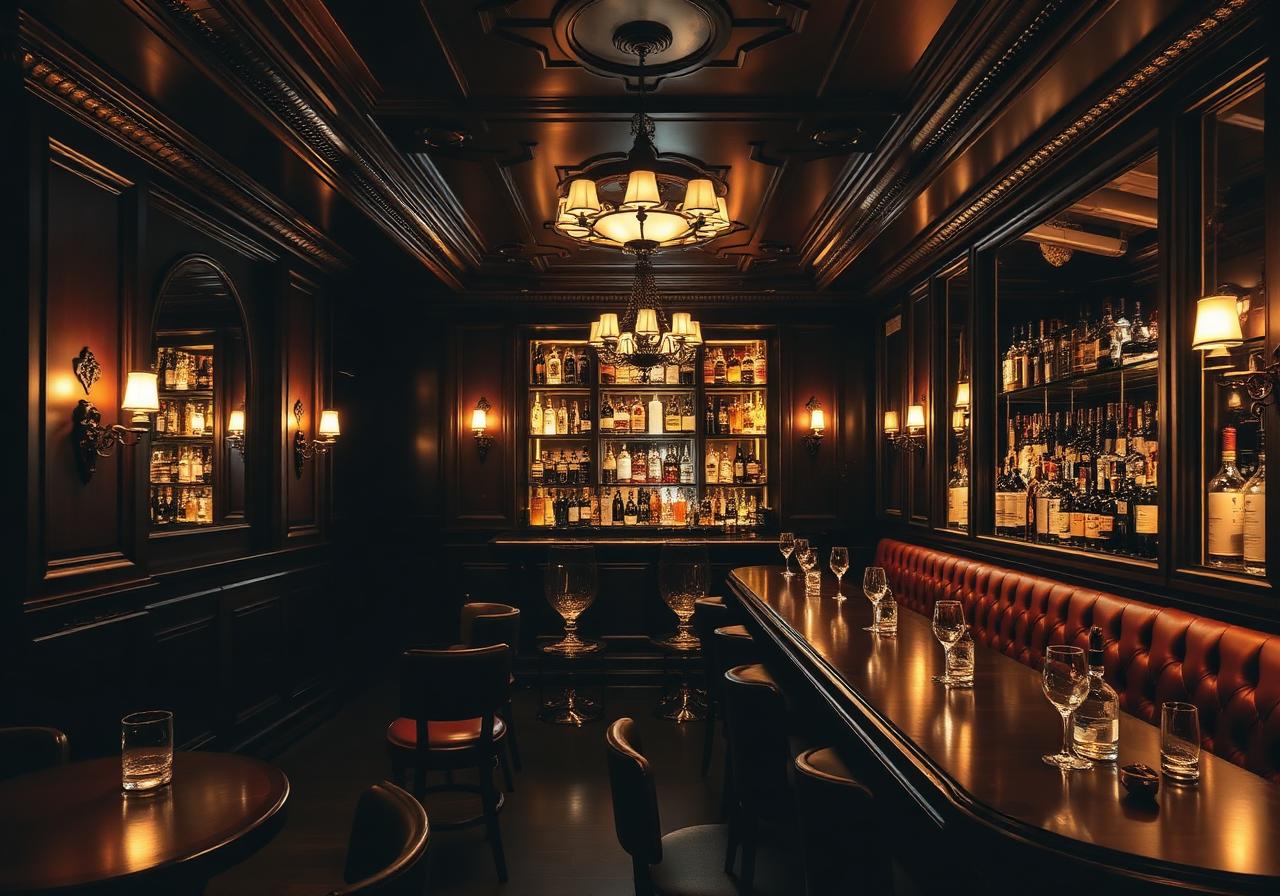
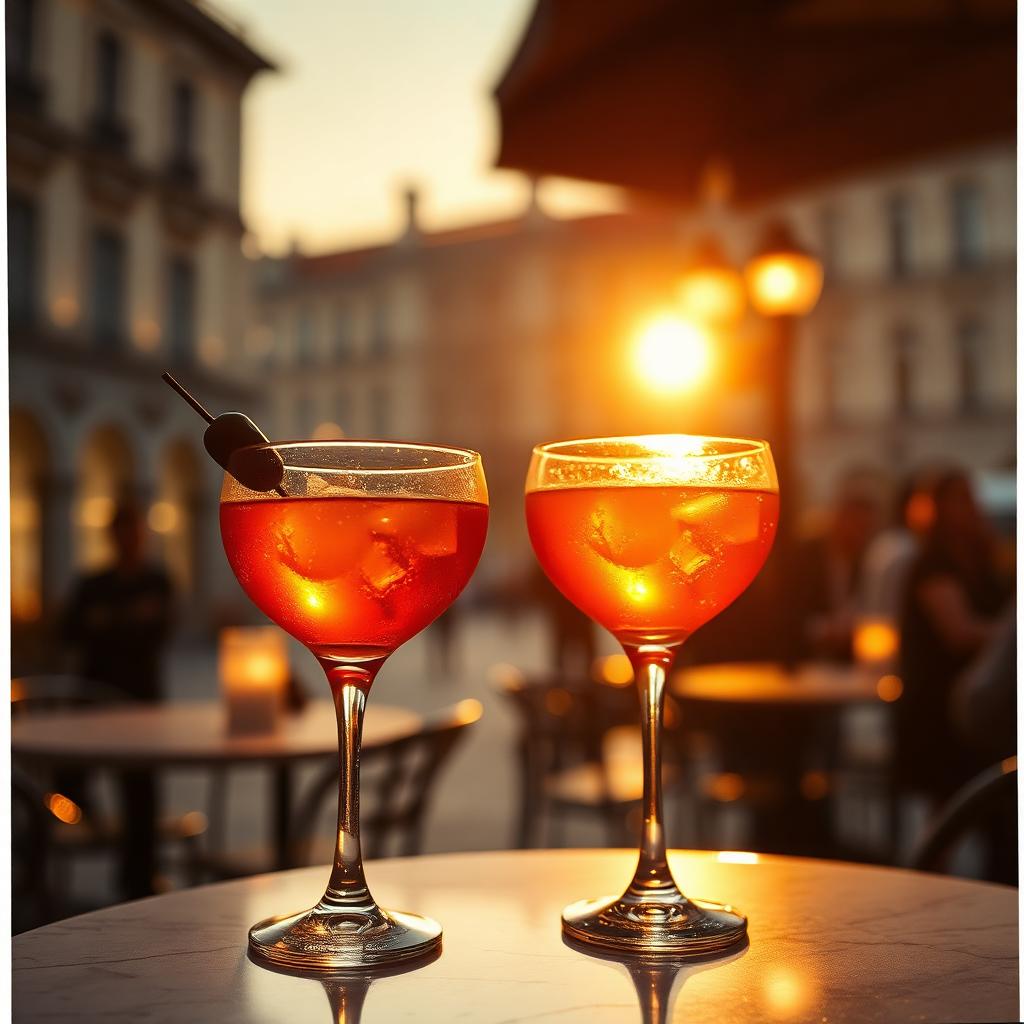
Why aperitivo is a ritual, not a happy hour — and how to honour it as a visitor.
§Opening
"Italy: Reading the Aperitivo Hour" is the kind of guide I wish I had been handed the first time I arrived. Why aperitivo is a ritual, not a happy hour — and how to honour it as a visitor. Country guides written for tourists tend to read like menus; this one is closer to a letter from a friend who has worked the room.
Every country has a hospitality grammar that is mostly invisible to outsiders and entirely obvious to locals. Get it right and the room opens to you. Get it wrong and you spend the evening wondering why the service felt cool when nothing on paper went wrong.
§Background
A second layer worth knowing is the local difference between formal and informal service. In some countries those are the same skill in different volumes; in others they are entirely different professions. Mistaking one for the other is the most common visitor error, and the easiest to fix once you have noticed it.
§Core Principles
Start with how to arrive. The first ninety seconds at a bar, restaurant or hotel set the entire interaction. Eye contact, posture, the language used for the greeting — all of it is being read, whether anyone says so or not. Match the room's register before you ask for anything.
Next, learn the local logic of the bill. Tipping customs, service charges, who collects, who keeps, when to leave it on the table and when to hand it directly. Country to country, this is the single piece of etiquette most often gotten wrong by otherwise respectful guests.
Finally, pay attention to silence. In some hospitality cultures, the long pause is a courtesy; in others, it is read as disinterest. Notice which one you are in and adjust accordingly. This single calibration changes more interactions than any phrasebook.

§In Practice
If you are visiting as a hospitality professional rather than a tourist, introduce yourself as one. Quietly, only when relevant, and only after the room has accepted you on regular terms first. Done correctly, this opens conversations and back rooms; done badly, it reads as a credential being waved.
Carry a small set of phrases — greetings, thanks, a toast — in the local language. They do not have to be perfect. The effort is what is being acknowledged, not the accuracy. The bar that hears you try will, almost always, meet you halfway.
§Watch Outs
The fastest way to be quietly written off in a new country is to compare it, out loud, to somewhere else. Even favourably. The room does not want to hear how its service is "almost as good as" anywhere. Receive it on its own terms, write your own notes later, and the relationship begins on the right footing.
§Closing
If there is a thread that runs through everything above on "Italy: Reading the Aperitivo Hour", it is this: the small choices compound. The hour you spend on the detail nobody asked for is the hour the room will quietly feel, even if no one names it.
Take what is useful here, leave what is not, and add your own observations in the margins. The craft only moves forward when each of us writes a few honest notes back to it — and the journal below collects more of them, organised by the same thread you just read.
Interactive quiz
Test what stuck.
A five-question read on the ritual of aperitivo hour.
5 quick questions · instant feedback · key takeaways at the end
Recommended reading