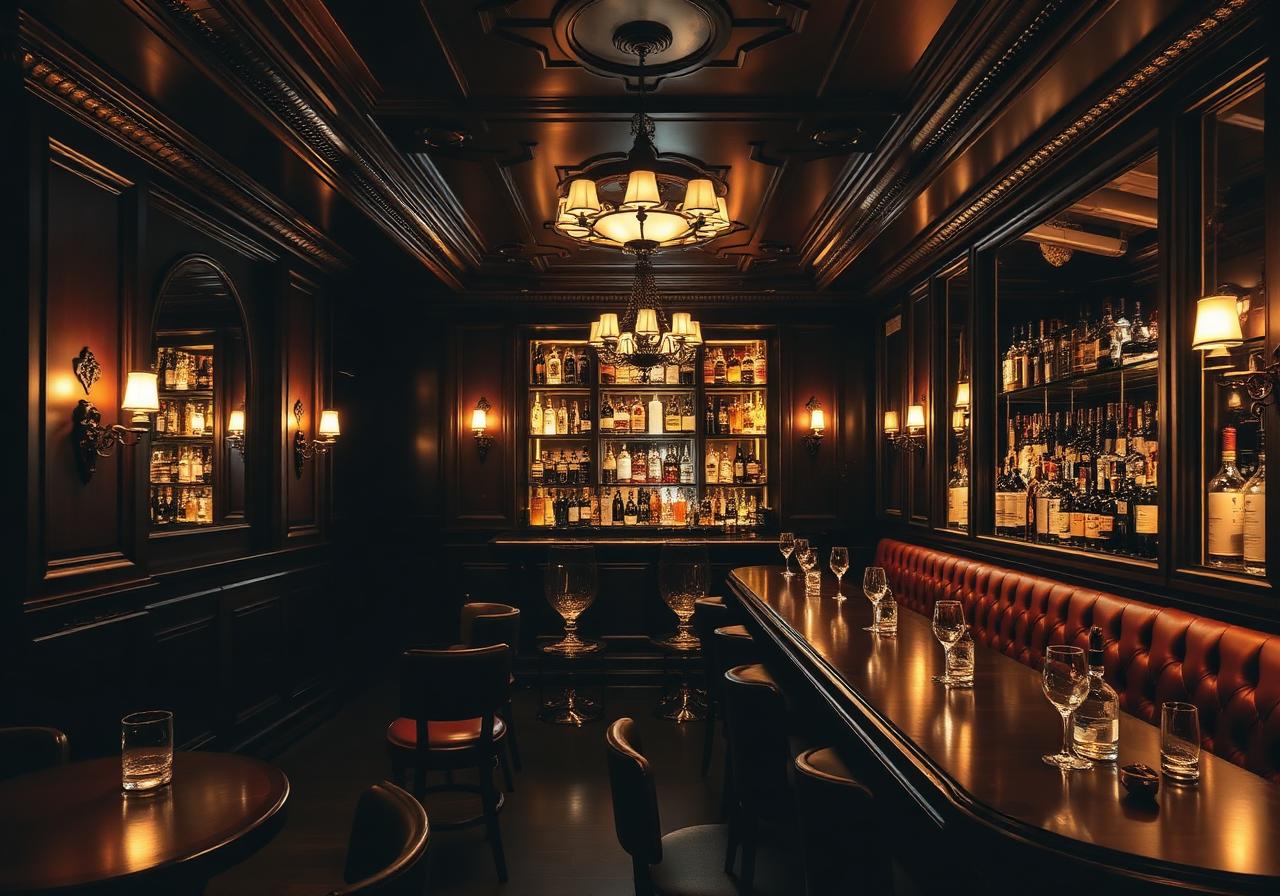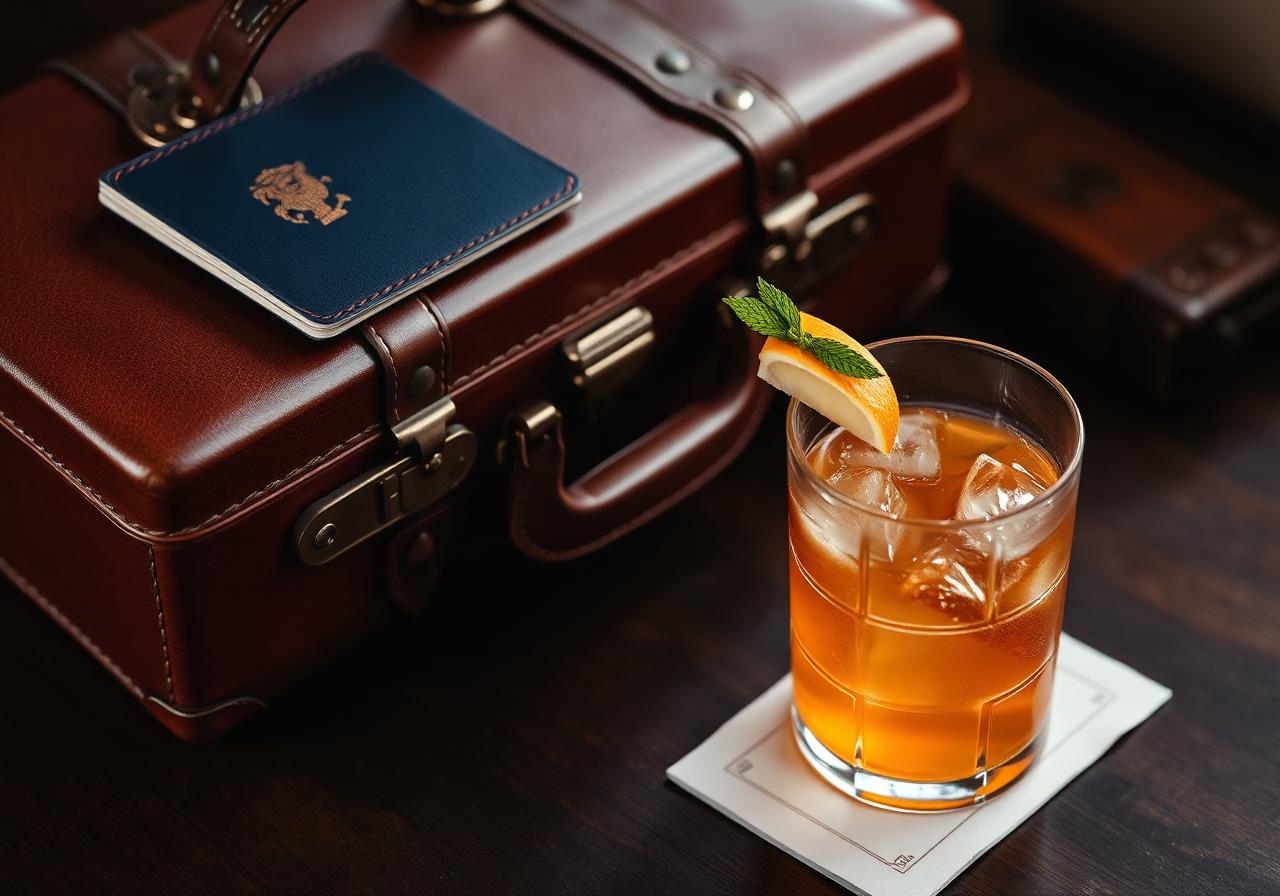

Half essay, half journal entry — the parts of slow stir I tell every visiting bartender who asks.
**What this technique actually does.** Slow stir is not decoration. It's a tool that changes one specific variable in the drink — texture, temperature, aromatic lift or dilution — and ignores the rest.
**The physics.** Cold drinks dilute slower. Aromatic compounds volatilise faster at the surface. Slow stir usually wins or loses on whichever of those two it was designed to address.
**Step by step.** One: chill the glassware to the temperature the drink will live at. Two: set the ice format that matches the dilution curve you want. Three: execute slow stir with one motion per intention. Four: taste mid-process, not only at the end.
**Common failure modes.** Over-application. Bartenders who learn slow stir tend to apply it to drinks that didn't need it. Restraint is the second half of mastering any technique.
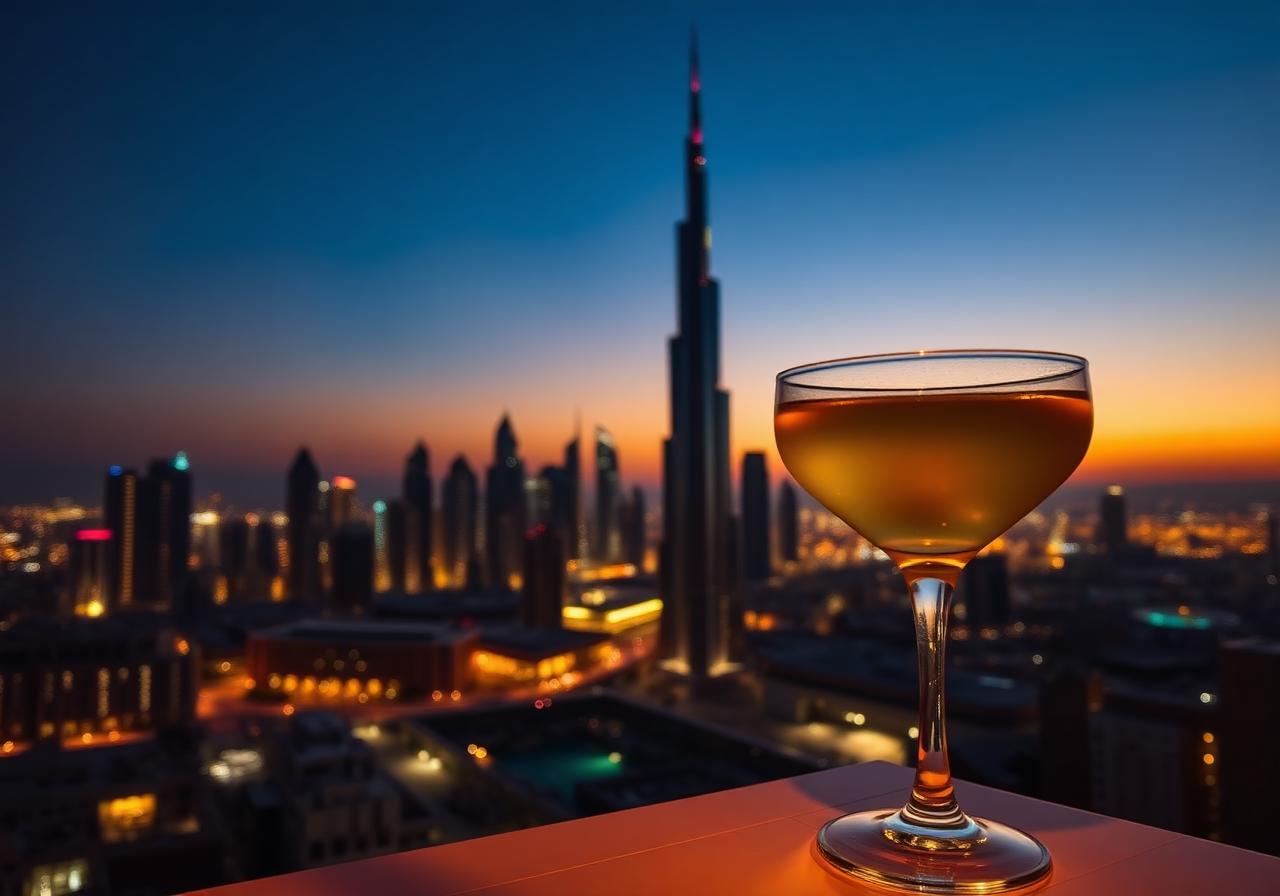
**Service implications.** Slow stir adds seconds. Sometimes the room can spare them. Sometimes it can't. Knowing which it is tonight is part of the technique.
**Drills.** Practise slow stir on a Tuesday, twenty times in a row, with a notebook. Friday is not the night to discover something about your hands.
**Take-home.** A technique is a sentence in your vocabulary. Slow stir only matters if it makes the paragraph better.
Recommended reading