Travel
What I wish someone had told me about Ordering food in a language you don't speak (vol. 6)
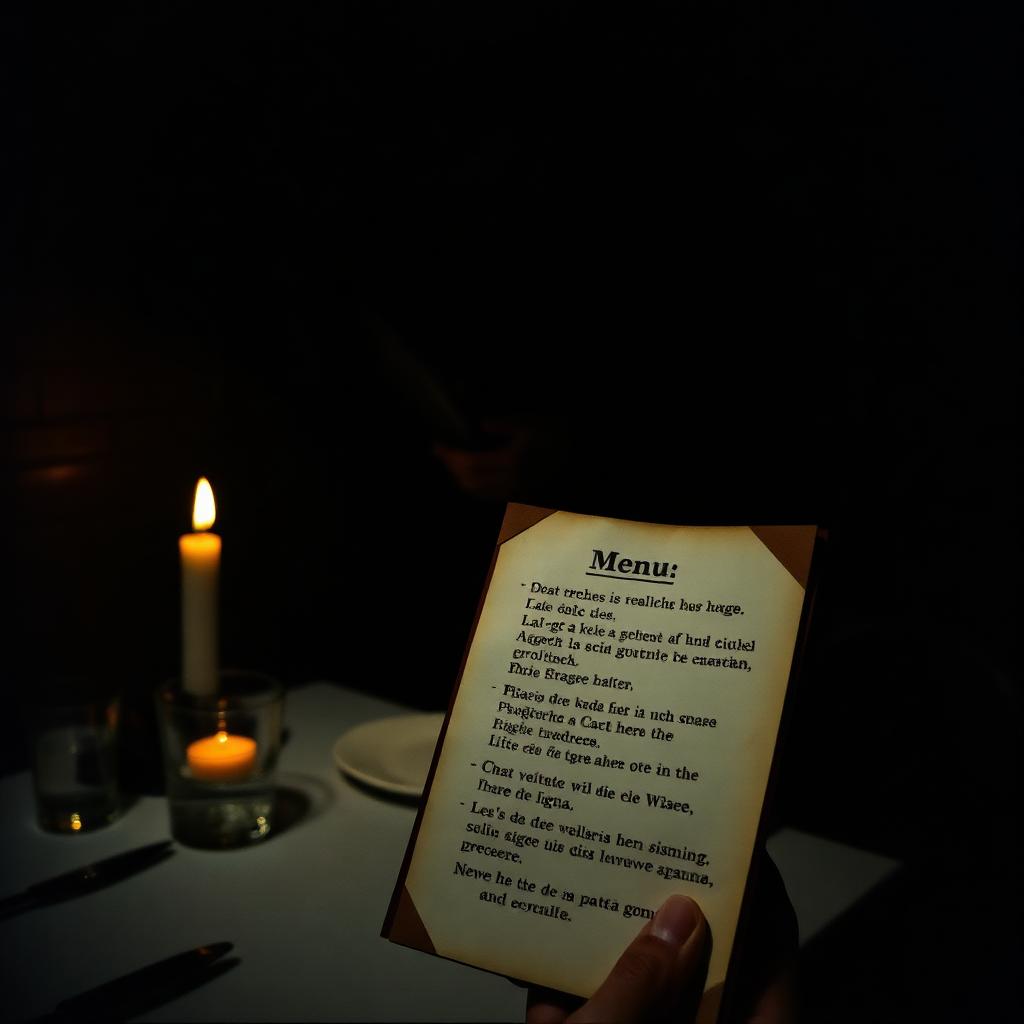
A short, honest read on ordering food in a language you don't speak — what I'd keep, what I'd cut, and what I'd do again tomorrow.
**Why this story.** Ordering food in a language you don't speak is one of those lessons the road teaches you exactly once. Here's the version of it I would have wanted on the flight in.
**The context.** Cartagena doesn't explain itself. It assumes you've done some of the reading. Ordering food in a language you don't speak is a way to do that reading on the ground, by paying attention to the things tourists usually miss.
**Lesson one — pace.** Every city has a walking speed and a talking speed. Match both before you ask for anything. Ordering food in a language you don't speak usually fails because the visitor brought their own clock and refused to swap it out.
**Lesson two — entry codes.** The first ninety seconds in a room are the interview. Eye contact, posture, the language of the greeting. Ordering food in a language you don't speak respects the small currency of a good opening line.
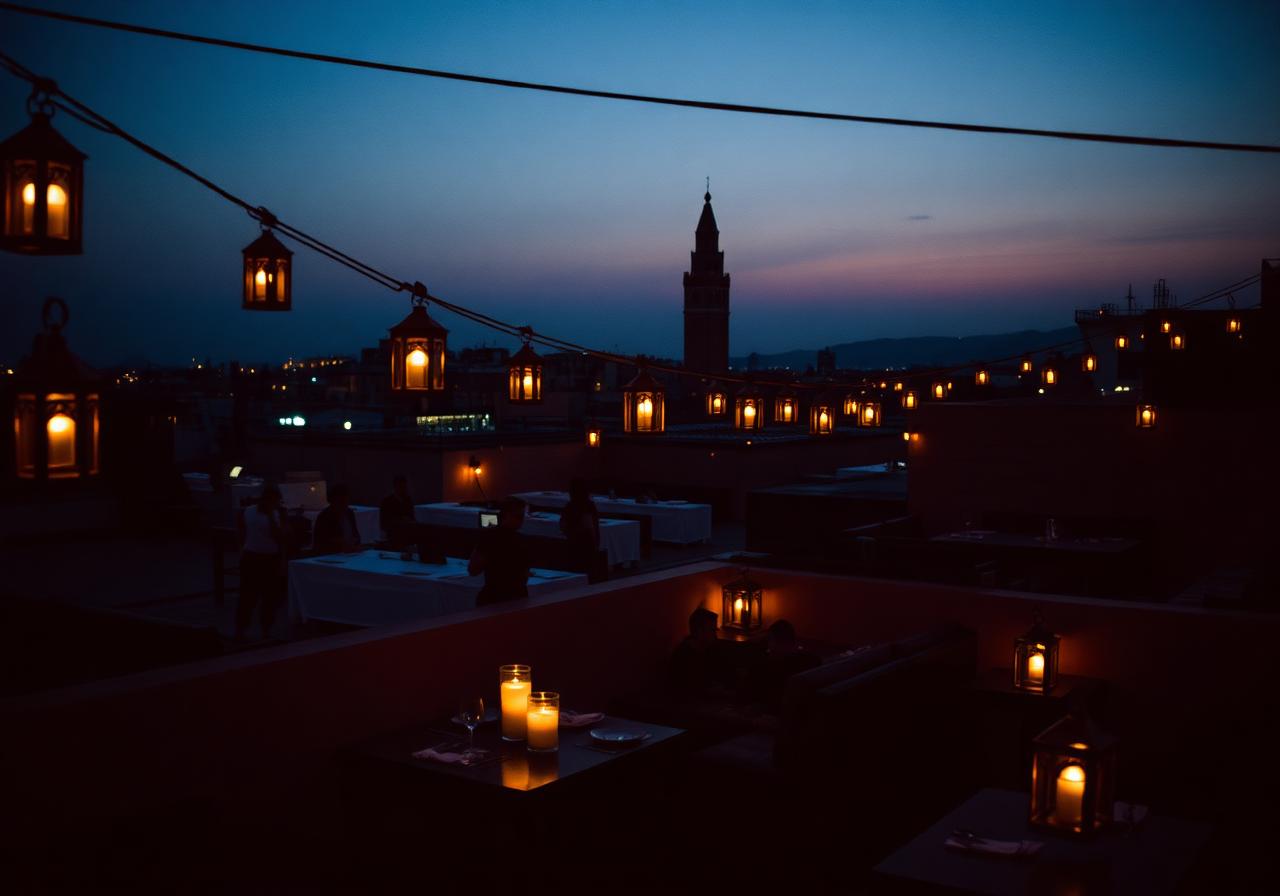
**Lesson three — silence.** In Cartagena, the pause is part of the conversation, not an absence of one. Ordering food in a language you don't speak learns to leave the space instead of filling it.
**Lesson four — money.** Tipping is a custom, not a constant. Ordering food in a language you don't speak pays attention to who collects, who keeps and what is actually being thanked for.
**The take-home.** Ordering food in a language you don't speak is mostly a habit of noticing. The traveller who notices more spends less, eats better and is welcomed sooner. None of that is luck — all of it is attention.
Recommended reading