Travel Bartender
Travel Tips

Field Guide ยท Chapter

Foodie Trails

Food is the fastest way into a culture. These notes are about eating well, eating safely, and eating where locals actually go.

07 entriesRead + reflect

Last reviewed: July 2026

Food-safety guidance is general and cannot account for local conditions. Nothing here replaces advice from a medical professional. Rules, health guidance, prices, services and app features may change. Verify important information before travelling.

Article 01

How to Find the Real Local Restaurant

If the menu has more than three languages, walk on.

In Hanoi, Marin walked past forty restaurants with English menus and pictures of pho before he found the one with a single laminated card in Vietnamese and a grandmother shouting at her grandson behind the counter. The broth there made him close his eyes mid-spoonful. It cost โ‚ฌ1.80.

Look for a written menu in only the local language โ€” or none at all. The best places either trust you to know what you came for, or they'll happily explain it with their hands.

Lunchtime queues of office workers are gold. Tourists eat at dinner; locals eat at noon. Follow the office shoes, not the guidebooks.

If you see an open kitchen and grandparents behind the till, you've usually found it. Family-run kitchens cook for repeat customers, and repeat customers are the cruellest critics on earth.
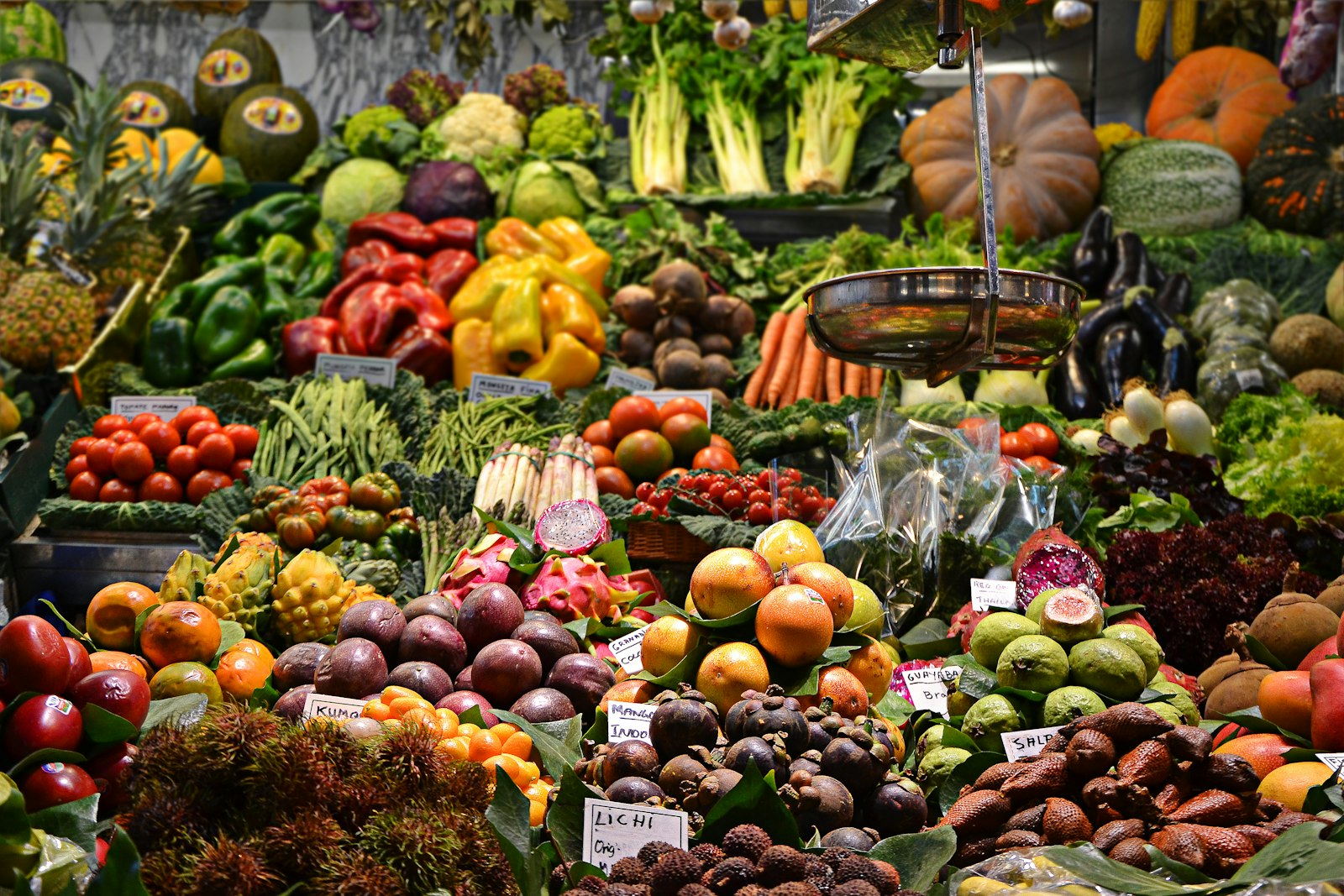
Crowded local food market with steam rising from stalls
Follow the office shoes at noon.

โ€œThe best meal of your trip will almost never have a sign you can read.โ€

Key takeaways

  • Locals lunch โ€” tourists dine.
  • Single-language menu = honest place.
  • Family at the till is a good sign.

Article 02

How Marin Learned to Take Water and Ice Seriously

It's often the water, the ice, or the surface it touched โ€” not the food itself.

Marin spent a night in a tiled bathroom in Oaxaca he will never forget. Not the sunset, not the mole โ€” the bathroom. The culprit wasn't the street taco he had earlier; it appeared to be the freshly squeezed juice with crushed ice from a stall. The ice was made from tap water.

Two days lost. One lesson permanent. He now treats water on the road with the same care as passports โ€” checked, double-checked, never assumed.

Look for stalls where food is cooked thoroughly and served hot, straight from the pan. Fresh cooking and high turnover can reduce some risks, but visible popularity does not guarantee hygiene, safe water, correct storage or safe ingredients.

Where tap water is not safe to drink, avoid ice and raw items rinsed in that water โ€” salads, herbs, cut fruit left at room temperature. Fruit you peel yourself is usually a safer choice than pre-cut fruit. Time spent in a destination does not build immunity to local pathogens.

Be careful with unrefrigerated dairy, eggs in warm climates and seafood left in the sun. Heat, freshness, hygiene and turnover are useful signals โ€” none of them is a guarantee.

If you become unwell, small sips of an oral rehydration solution taken frequently can help you stay hydrated. Follow the product's official instructions and consider your own medications and health conditions. If symptoms are severe, worsening or last more than a couple of days โ€” or if you have high fever, bloody stools, severe abdominal pain or cannot keep fluids down โ€” seek qualified medical care. Travel insurance exists for exactly this.

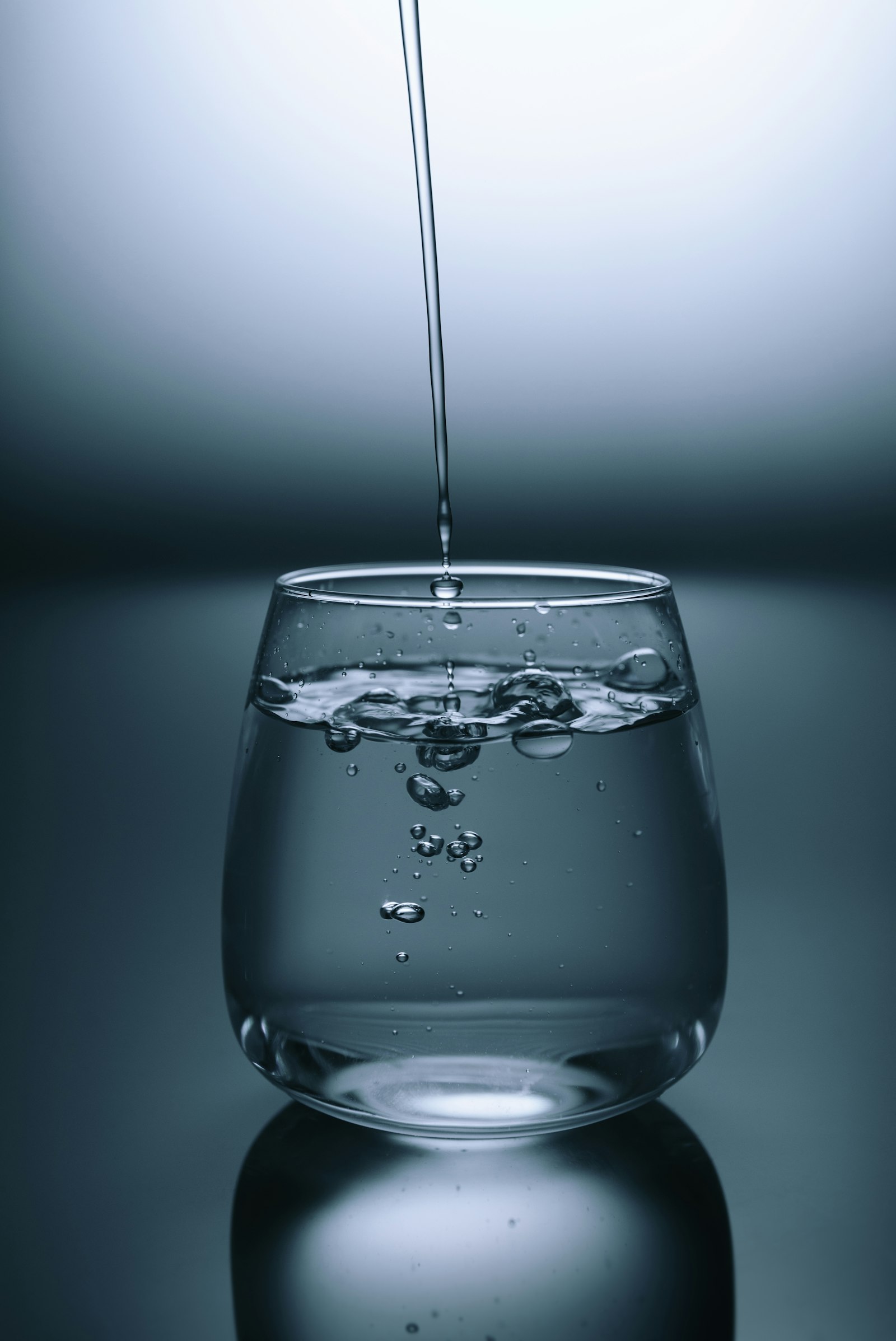
Glass of water with ice on a wooden table
The ice is often the issue, not the food.

โ€œThe food poisoning isn't the lesson. The carelessness is.โ€

โ€” Marin

Key takeaways

  • Hot, fresh, fully cooked food is a safer default.
  • Where tap water is unsafe, avoid ice and raw items rinsed in it.
  • Follow product instructions on rehydration solutions and any medicines.
  • Seek medical care for severe, worsening or persistent symptoms.

Article 03

Best Food Cities, Ranked by What We Actually Crave

Not a guidebook list โ€” a memory list.

Tokyo for the precision: even the convenience-store onigiri tastes like someone cared. Bangkok for the noise and the late-night noodles. Lisbon for the salt โ€” the bread, the cod, the sea in everything.

Istanbul earns its place with breakfast alone. Marrakech rewards anyone willing to skip the square and eat one alley deeper. Hanoi is the cheapest masterclass in flavour we know.

If the city you live in is on the list โ€” go back and eat as a tourist for a weekend. You'll find three new favourites in a neighbourhood you thought you knew.

Key takeaways

  • Tokyo for precision, Bangkok for late night.
  • Lisbon, Istanbul, Marrakech for soul.
  • Eat your own city like a stranger once a year.

Article 04

Where to Eat Well for Less in Japan

Japan is not as expensive as the menu suggests.

Lunch sets (teishoku) cost a third of the same restaurant's dinner price and come with rice, miso, pickles and a main. The best sushi in town is often โ‚ฌ15 between noon and 2 p.m., and โ‚ฌ60 after.

Convenience stores โ€” Lawson, FamilyMart, 7-Eleven โ€” are genuinely good. A โ‚ฌ4 onigiri-plus-coffee breakfast frees your budget for one serious dinner.

Department-store basements (depachika) sell beautiful prepared food at half-price after 7 p.m. Take it to a park or the hotel room โ€” the quality is restaurant-grade.

Key takeaways

  • Teishoku lunches > expensive dinners.
  • Konbini breakfasts are a real strategy.
  • Depachika after 7 p.m. = luxury for the price of fast food.

Article 05

Foods You Have to Try in India

Beyond the menu most tourists see.

Masala dosa for breakfast in Bangalore, paneer butter masala on a North Indian night, a thali in any small Gujarati canteen โ€” these are non-negotiable. So is the chai you'll be handed on every train.

Try one regional sweet per state: jalebi in Delhi, mysore pak in Karnataka, sondesh in Bengal. They're cheaper, more interesting and less Instagrammed than the desserts on tourist menus.

Drink lassi (sweet or salted) when the spice gets overwhelming โ€” dairy calms heat faster than water does, and water makes it worse.

Key takeaways

  • Dosa, thali, paneer โ€” start there.
  • One regional sweet per state.
  • Lassi cools heat. Water doesn't.

Article 06

How to Evaluate Street Food More Carefully

Heat, turnover and hygiene are useful signals โ€” not guarantees.

A stall where food is cooked thoroughly in front of you, served hot and eaten within minutes tends to carry lower risk than food that has been sitting at room temperature for a long time. This is a signal, not a guarantee โ€” clean water, correct storage and safe ingredients still matter.

Room-temperature buffets, pre-cut fruit and salads rinsed in unsafe water can be higher risk than they look. Where local tap water is not safe to drink, avoid ice made from it and raw items washed in it.

Look for basic hygiene at the stall: covered ingredients, clean utensils, waste stored away from the food, handwashing or gloves. If anything feels off, walk on โ€” there is usually another option nearby.

Key takeaways

  • Prefer fully cooked, hot, fresh food.
  • Be cautious with room-temperature buffets and raw items washed in unsafe water.
  • Basic visible hygiene matters โ€” cleanliness of utensils, ingredients and hands.

Article 07

A Simple Travel Kit for Everyday Comfort

A small pouch that saves the trip โ€” used sensibly.

A small pouch with oral rehydration sachets, plasters, blister patches and antiseptic wipes covers most everyday travel scenes. Follow the instructions on every product you carry.

Any medicine you carry โ€” including things you use routinely at home โ€” should be discussed with a pharmacist or doctor before travel, especially if you have a medical condition, take other medication, are pregnant, or are travelling with children. Some countries also restrict specific medicines; check before you fly.

Hydrating well before your first meal of the day is a gentle habit. Heat, altitude and dry cabin air can leave you dehydrated before you notice โ€” and dehydration alone can feel very similar to being unwell.

Key takeaways

  • Rehydration sachets and plasters cover most everyday needs.
  • Ask a pharmacist or doctor about any medicine you carry.
  • Check destination rules on restricted medications before you fly.

Chapter Check

Did the chapter stick?

Chapter check

Progress: Question 1 of 5

Where does a city's real food culture usually live?

Current score: Score 0 / 5

Related stories

Original story coming soon.

Continue the guide

All chapters โ†’