Travel Bartender
Travel Tips

Field Guide Β· Chapter

History Lovers

Old towns reward early risers and slow walkers. A few rules turn sightseeing into something deeper.

06 entriesRead + reflect

Article 01

Walk the City Before You Visit a Single Museum

Context first, artefacts second.

Marin once spent four hours in a museum he didn't understand because he hadn't yet walked the streets the museum was about. The next morning he walked the old town for two hours and went back. The same objects told completely different stories.

A two-hour walk through the old quarter gives your brain a map to hang everything else on. Museums make sense afterwards β€” not before.

Hire a private guide for the first morning if the budget allows. It's the single highest-leverage spend of a history trip; one good guide rewrites the whole week.

Read one short book about the city on the plane. Not a guidebook β€” a piece of narrative history, a memoir, a novel set there. It changes what your eyes notice on the ground.
Narrow alley with worn stone walls

β€œA city explains itself slowly, and only to people walking.”

Key takeaways

  • Walk the bones of the city first.
  • A great guide on day one pays back for the whole trip.
  • Narrative > guidebook for context.

Article 02

How to Read a Cathedral, a Mosque, or a Temple

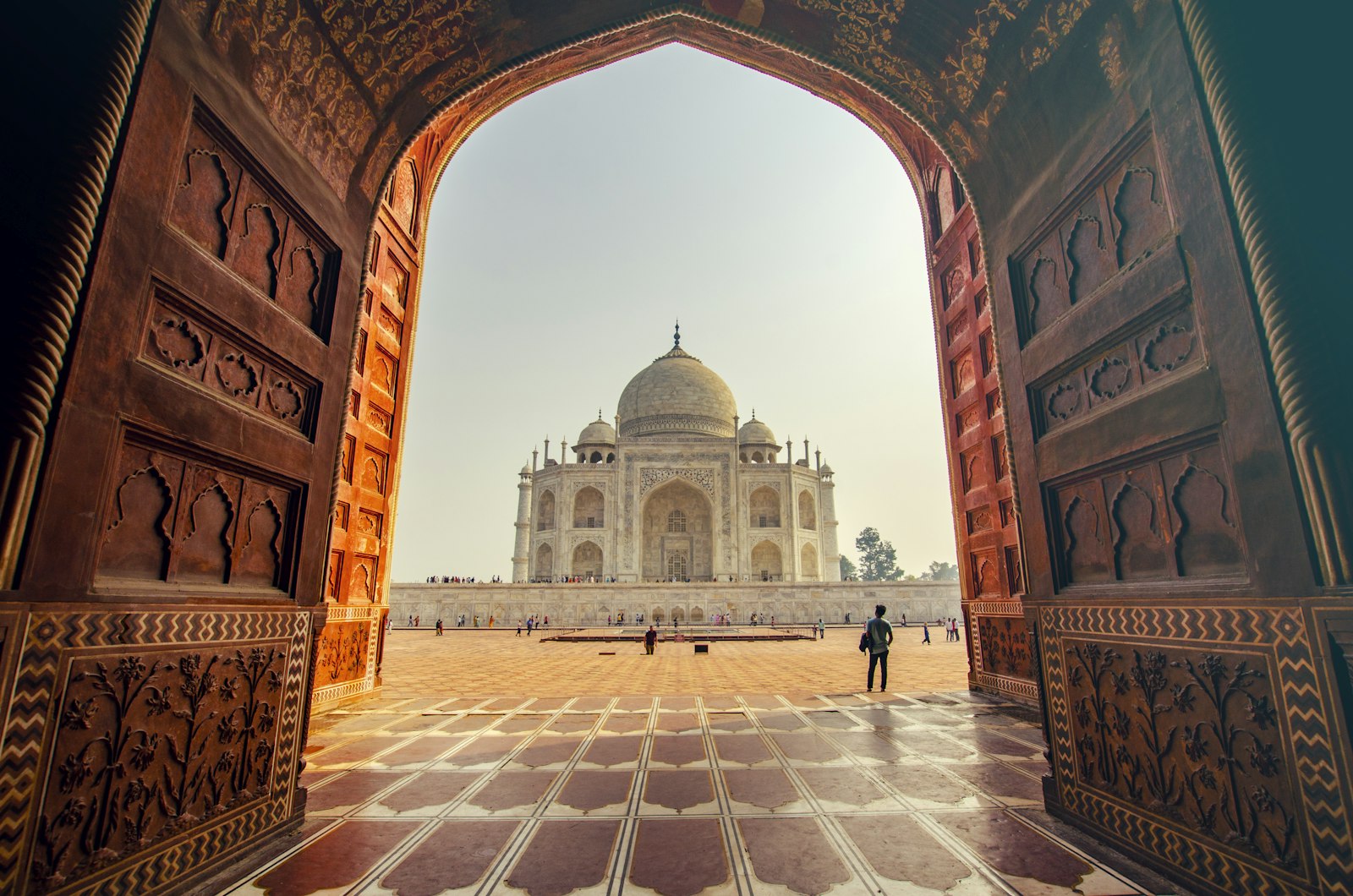
Every great building tells you when to look up, when to look down.

Start at the entrance and look back. The threshold tells you what the building's original visitors were meant to feel β€” humility, awe, smallness, welcome.

Follow the light. Architects always cared about it more than tourists notice. Where the light falls is where the eye was meant to land.

End on a single detail β€” a carving, a tile, an inscription. That detail is what you'll remember in five years, long after the rest fades into a blur of arches.

Light streaming through a cathedral interior

β€œSacred buildings were designed for slow eyes. Bring yours.”

Key takeaways

  • Start with the threshold.
  • Light is the second architect.
  • Choose one detail to carry home.

Article 03

Cities That Feel Like Open-Air Museums

You don't need a ticket to see the best parts.

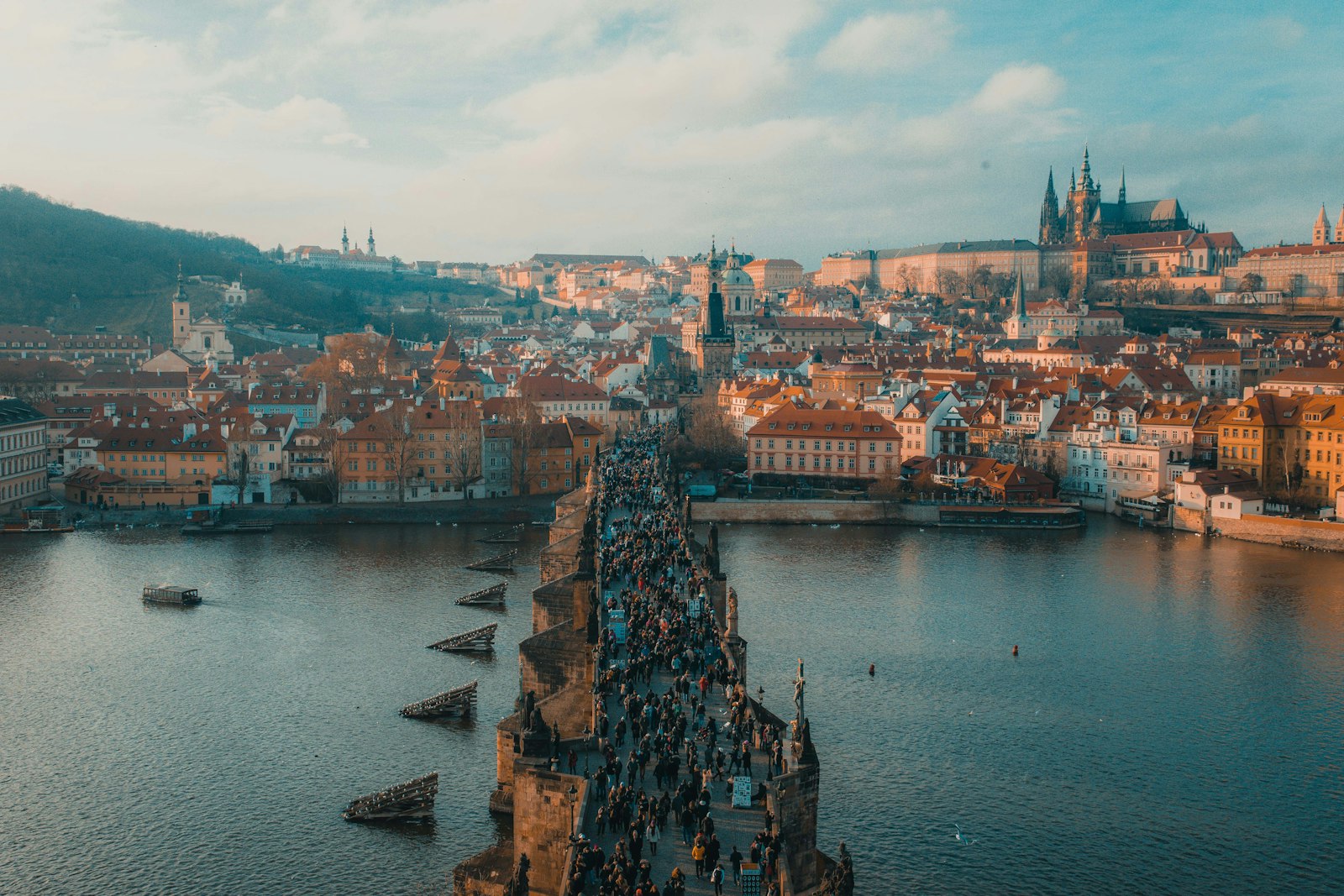
Rome, Kyoto, Istanbul, Lisbon, Marrakech, Hoi An, Prague β€” the streets themselves are the exhibition. Plan to walk eight kilometres a day and let the museums be the rest stops, not the route.

Pick one neighbourhood per visit and walk it three times: once at sunrise, once mid-afternoon, once after dinner. The same lanes wear three different faces. You'll remember more from those three walks than from any guided tour.

Key takeaways

  • Walk first, ticket second.
  • One neighbourhood, three walks.
  • Streets teach more than plaques do.

Article 04

How to Read an Old Town in Two Hours

A short method for slow streets.

Start at the main square and walk outward in a spiral. The grand buildings sit in the centre; the daily life sits two streets out; the real city lives four streets out.

Look up at the second-floor windows β€” that's where original facades survive longest. Shopfronts change every decade; upper floors hold the century.

End at a cafΓ© on the edge of the old town and write three sentences about what you saw. That short act stitches the morning into memory.

Key takeaways

  • Spiral outward from the square.
  • Read the second-floor windows.
  • Three sentences before you leave.

Article 05

Museums That Are Actually Worth Your Time

Three rules that filter the noise.

Skip the biggest museum and pick the second-biggest. The crowds drop, the curation tightens, and the staff actually have time to talk to you.

Read the first room slowly. The first room is always the museum's argument; the rest is evidence. If you understand the first room, the rest takes half the time.

Leave when you stop caring. Two great hours beat four exhausted ones. Museums are not endurance sports.

Key takeaways

  • Second-biggest museum, every time.
  • Slow first room, faster rest.
  • Leave when attention fades.

Article 06

How to Travel Deeper Instead of Just Photographing

Trade three photos for one conversation.

Set a daily rule: one real conversation with a local, even a short one. Ask about the building you don't understand, the dish you can't pronounce, the festival poster you noticed. Most people are delighted to be asked.

Read the city's poetry, not its TripAdvisor list. A single page of Pessoa changes how you walk Lisbon; a chapter of Pamuk changes Istanbul.

Sit on a bench for fifteen minutes in the place that moved you. That's where the memory lands β€” not in the photo.

Key takeaways

  • One conversation a day, minimum.
  • Poetry > review aggregator.
  • Sit and watch β€” the city replies.

Chapter Check

Did the chapter stick?

Chapter check

Progress: Question 1 of 5

The fastest way to actually feel a historic site is to…

Current score: Score 0 / 5

Related stories

Original story coming soon.

Continue the guide

All chapters β†’