
Travel Bartender
Travel Tips

Field Guide Β· Chapter

Nature Escapes

The outdoors don't forgive lazy planning. They reward respect.

06 entriesRead + reflect

Article 01

How to Pick a Hike You'll Actually Finish

Match the trail to your worst day, not your best.

Marin once underestimated a hike in the Dolomites because the distance looked friendly. He forgot to read the elevation. He finished after dark, alone, with one bar of phone battery and a head torch he had thrown in 'just in case.' That 'just in case' is the only reason this paragraph exists.

Calculate distance + altitude gain together. A 10-km hike with 800 m of elevation is harder than a 14-km flat one. Treat any climb above 600 m as a real day, not a warm-up.

Always plan for one extra hour. Sunset is a hard deadline you can't argue with, and weather on a ridge changes faster than weather in a forecast.

Tell someone the exact trail and your estimated return β€” always. Even on a 'small' trail. Especially on a small one, since rescuers know mountains better than they know the trails nobody hikes.
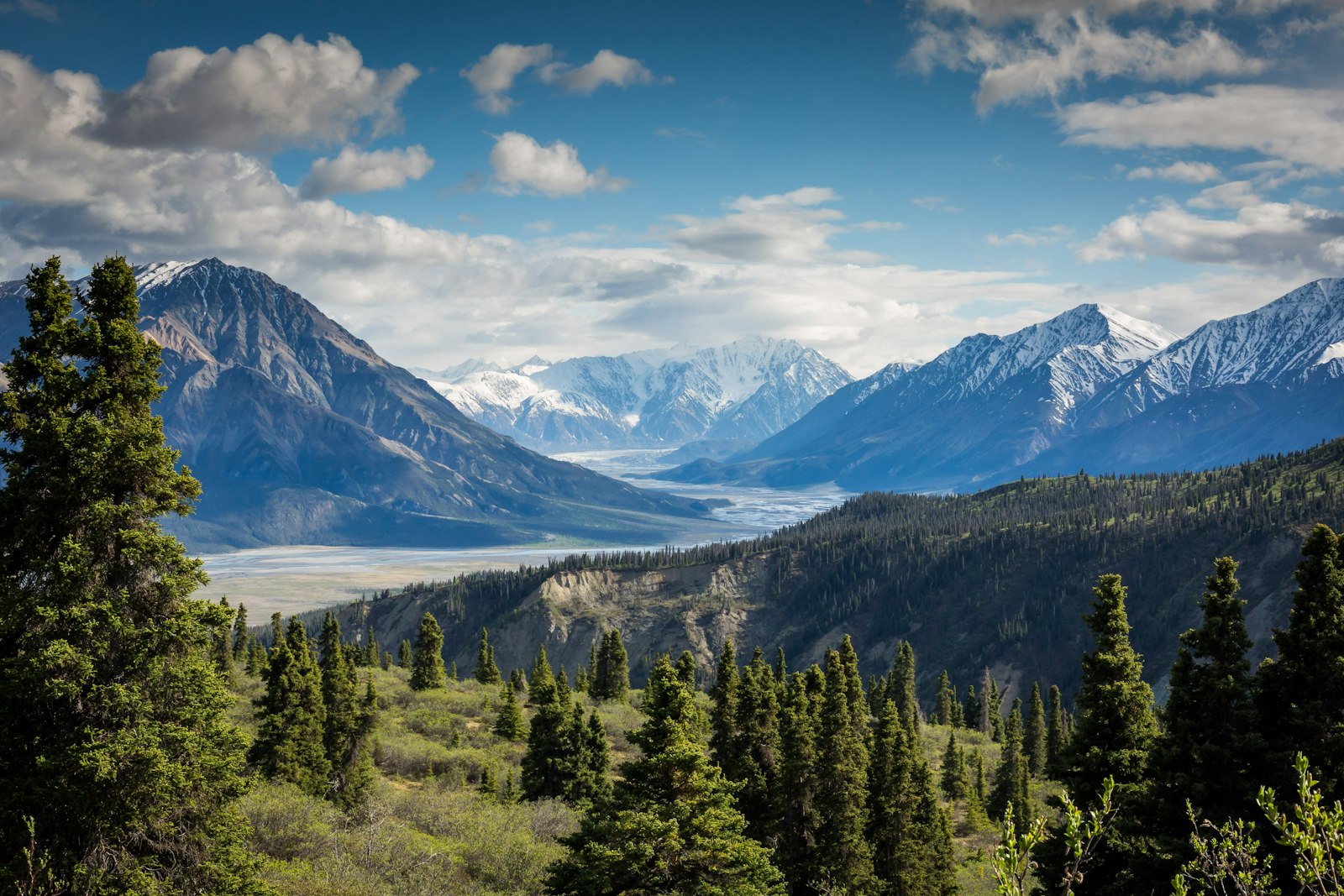
Hiker descending a ridge as light fades

β€œNature is generous to the prepared and indifferent to everyone else.”

Key takeaways

  • Distance + altitude > distance alone.
  • Plan +1 hour, always.
  • Share the plan before you start.

Article 02

The 10-Item Day Pack That Covers 90% of Outdoor Trips

Same kit for a beach hike or an alpine ridge.

Water (2 L), snacks, lightweight rain shell, hat, sunscreen, micro first-aid kit, headlamp, phone with offline map, cash, ID.

Anything else is bonus. Anything missing is the thing you'll need. Pack the pack once, leave it packed, top it up between trips β€” no decisions at the trailhead.

Day pack open on a wooden deck

β€œThe right kit isn't heavy. The wrong assumptions are.”

Key takeaways

  • Memorise the 10 items.
  • Phone + power bank counts as one item.
  • Cash beats card in a remote village.

Article 03

Beach, Mountain, Forest β€” Which Fits Your Trip

Choose the landscape, then the country.

Beach trips reward longer stays in one place: the rhythm is slow, and three days is barely enough to settle. Mountain trips reward early starts and short distances between bases.

Forest trips are the most underrated of the three β€” they restore the nervous system faster than either alternative, and they cost less. Two nights in a forest cabin can reset a year of city noise.

Key takeaways

  • Beach = slow, long stays.
  • Mountain = early, multi-base.
  • Forest = cheapest deep reset.

Article 04

How to Plan a Restorative Outdoor Trip

Less itinerary, more recovery.

Build the trip around sleep, not activity. Pick somewhere quiet enough to sleep nine hours a night, and a daily walk you don't need to plan in advance.

Limit screens to one window a day. The point of nature is to let attention go wide again; a phone narrows it instantly.

End the trip with a half-day of doing nothing. The change you came for usually arrives in that empty afternoon.

Key takeaways

  • Plan for sleep, not for steps.
  • One screen window a day.
  • Leave a blank afternoon at the end.

Article 05

Safety Basics for Outdoor Travel

Boring rules that save real trips.

Tell one person your plan and your expected return time. Check in when you're back. This single habit prevents 90% of search-and-rescue stories.

Carry water for the worst-case version of the day, not the average. Rivers run dry, taps run out, and thirst impairs judgement faster than hunger.

Turn back at the agreed time, not at the agreed destination. Most accidents happen on the way back, after fatigue and fading light combine.

Key takeaways

  • Share the plan, confirm the return.
  • Pack water for the worst day.
  • Turn back on time, not on goal.

Article 06

Travel in Nature Without Ruining It

Leave the place better than you found it.

Stay on the trail even when it's easy not to. Wild flowers a metre off the path took twenty years to grow and snap in one footstep.

Pack out everything you packed in β€” including the fruit peel. 'Biodegradable' takes longer than you think, and other hikers don't want to read your snack history.

Skip the geotag on the secret spot. The lake that took you four hours to find shouldn't be a parking lot next year.

Key takeaways

  • Stay on trail, even when easy not to.
  • All trash leaves with you.
  • Don't geotag what should stay quiet.

Chapter Check

Did the chapter stick?

Chapter check

Progress: Question 1 of 5

In wild places, the single best safety habit is…

Current score: Score 0 / 5

Related stories

Original story coming soon.

Continue the guide

All chapters β†’