Travel Bartender
Travel Tips

Field Guide Β· Chapter

Shop Smart

The best souvenirs survive customs, jet lag, and ten years on a shelf.

06 entriesRead + reflect

Article 01

The 'Use It in 90 Days' Test

If you won't, don't buy it.

Buy things you will wear, eat, drink, or read within three months of getting home. Everything else becomes shelf dust β€” and shelf dust is the cousin of regret.

Consumables (spices, tea, oil, alcohol where legal) are the friendliest category. They disappear before they become clutter, and you can give half of them away as gifts that don't ask for shelf space.

Spices in cloth bags on a counter

β€œThe best souvenir is the one you'll finish before you forget it.”

Key takeaways

  • 90-day test on every purchase.
  • Consumables > decorations.
  • Take a photo instead β€” it's free.

Article 02

Bargain Without Being Rude

Smile, anchor low, walk slow.

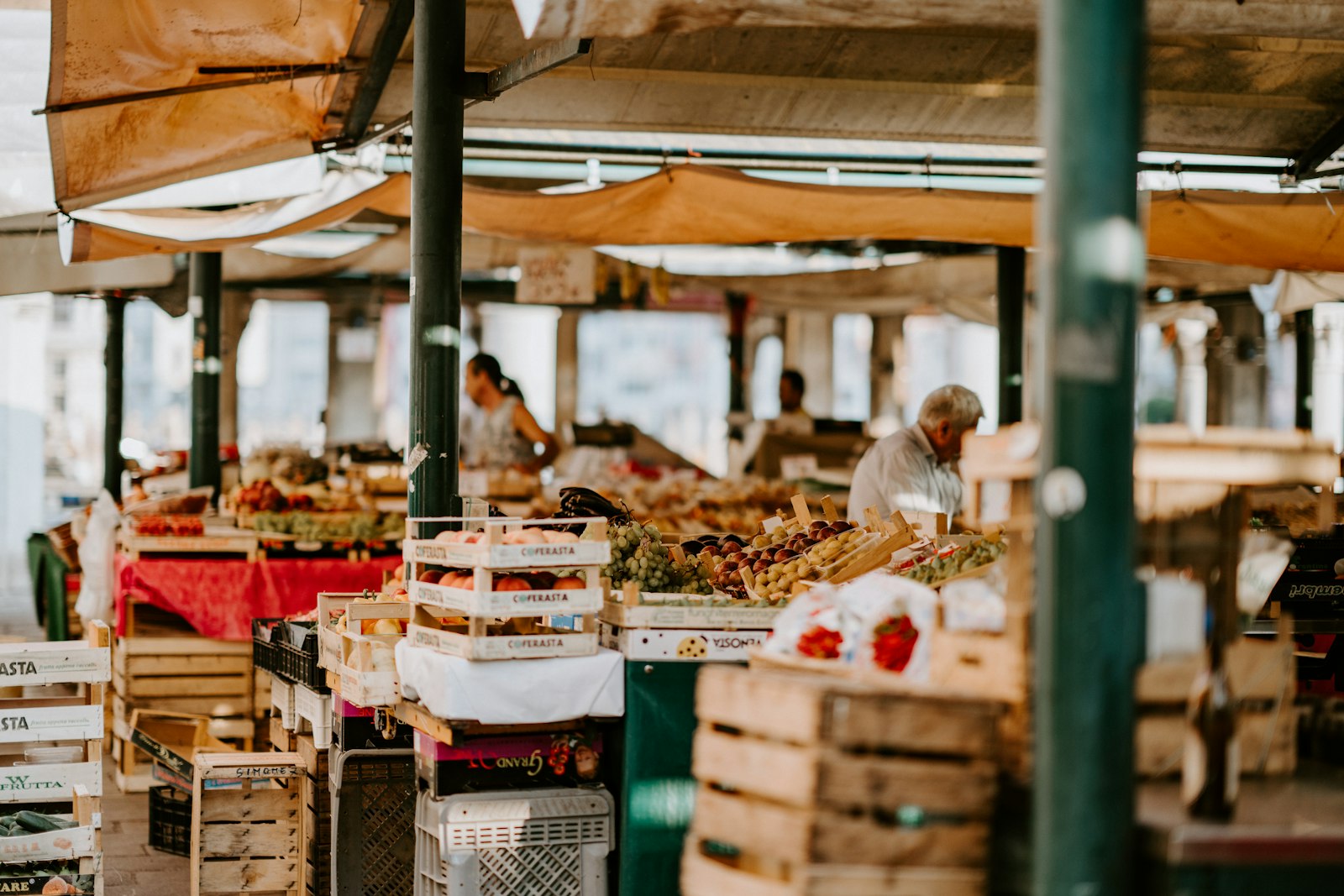
Marin once watched a tourist scream at a vendor in Marrakech over the equivalent of €1.20. The vendor's face went still and polite, and the price for every other tourist that morning went up. Bargaining is a relationship; rudeness is a tax.

In markets where bargaining is expected, start at 30–40% of the asked price and meet in the middle. Smile through the whole thing β€” it's a conversation, not a duel.

Walking away politely is part of the ritual, not the end of it. If they want to make the deal, they'll call you back. If they don't, you didn't want it that badly anyway.

If you genuinely cannot afford it at the offered price, say so plainly and warmly. That's a different exchange, and most vendors respect honesty more than haggling.

Hands exchanging coins at a market

β€œBargaining is a dance. Rudeness is a stomp.”

Key takeaways

  • Anchor at 30–40%.
  • Walking away is a move, not a failure.
  • Be warm β€” it's a relationship, not a fight.

Article 03

Souvenirs Worth Buying and Souvenirs to Skip

Buy what the city actually makes.

Buy: textiles in Morocco, ceramics in Portugal, knives in Japan, leather in Florence, paper in Bhutan. Each city does one thing better than anywhere else β€” that's the thing to bring home.

Skip: anything labelled 'made in' a country other than the one you're in. Skip generic magnets, mass keychains, anything from a stall fifty metres from a cruise dock. Skip the 'limited edition' anything.

Key takeaways

  • Buy what the city is famous for making.
  • Read the label β€” origin matters.
  • Skip anything sold within 100m of a cruise terminal.

Article 04

How Not to Overpay in Tourist Markets

The number you're first quoted is not the number.

Walk through the whole market once before buying anything. The first stall sets the anchor; the fifth stall sets the real price.

Ask the price, smile, walk away. The real price arrives within ten metres if it exists. If it doesn't, the price was honest β€” go back.

Pay in cash. Pay in exact change. Cards and 'oh I'll get my wallet' both reset the negotiation.

Key takeaways

  • Walk the whole market first.
  • Walking away is the test.
  • Exact cash beats rounded card.

Article 05

Shipping vs Carrying Your Purchases

Above a certain weight, ship it.

Anything over 3 kg or fragile beyond bubble wrap belongs in a shipping box. The €40–80 you pay is cheaper than the airline overweight fee or the broken ceramic at baggage claim.

Use the shop's shipping service β€” they package for export every day. Couriers from the hotel desk are slower and usually pricier.

Photograph everything before it leaves your hands. Customs sometimes opens packages, and photos protect you if anything goes missing.

Key takeaways

  • Over 3 kg = ship.
  • Shop service > hotel courier.
  • Photograph before it leaves your hand.

Article 06

Local Crafts With Real Value

Pay the maker, not the middleman.

If you can visit the workshop, do. A €40 bowl made by the hands you're shaking is worth more than a €400 designer version of the same.

Ask the maker how they learned. The answer β€” 'my mother', 'my teacher', 'twenty years here' β€” is the actual provenance, and it's better than any certificate.

Buy one piece per trip, not five. One bought with attention beats five bought in a hurry.

Key takeaways

  • Visit the workshop when you can.
  • Provenance is the maker, not the label.
  • One careful piece per trip.

Chapter Check

Did the chapter stick?

Chapter check

Progress: Question 1 of 5

The best souvenirs are almost always…

Current score: Score 0 / 5

Related stories

Original story coming soon.

Continue the guide

All chapters β†’