Travel Bartender
Travel Tips

Field Guide · Chapter

Stay Healthy on the Road

General wellbeing notes for travellers — sleep, hydration, movement and daylight. Not medical advice. Health needs vary; consult a qualified healthcare professional for personal recommendations, medication, supplements or any pre-existing condition.

07 entriesRead + reflect

Last reviewed: July 2026

Health guidance is general information only, not medical advice. Vaccination and outbreak guidance is updated regularly by health authorities. Rules, health guidance, prices, services and app features may change. Verify important information before travelling.

Article 01

Hydration and Daily Rhythm

Simple habits that support wellbeing on the road.

Travel days can be dehydrating — long flights, dry cabin air, altitude, sun, salt, alcohol and irregular meals all play a part. A useful default is to start the day with a glass of water before coffee, and to keep water within reach through the day.

For long flights and hot climates, some travellers use oral rehydration or electrolyte products. Follow the product's instructions and check with a healthcare professional if you have any medical condition, take regular medication, are pregnant, or are travelling with children.
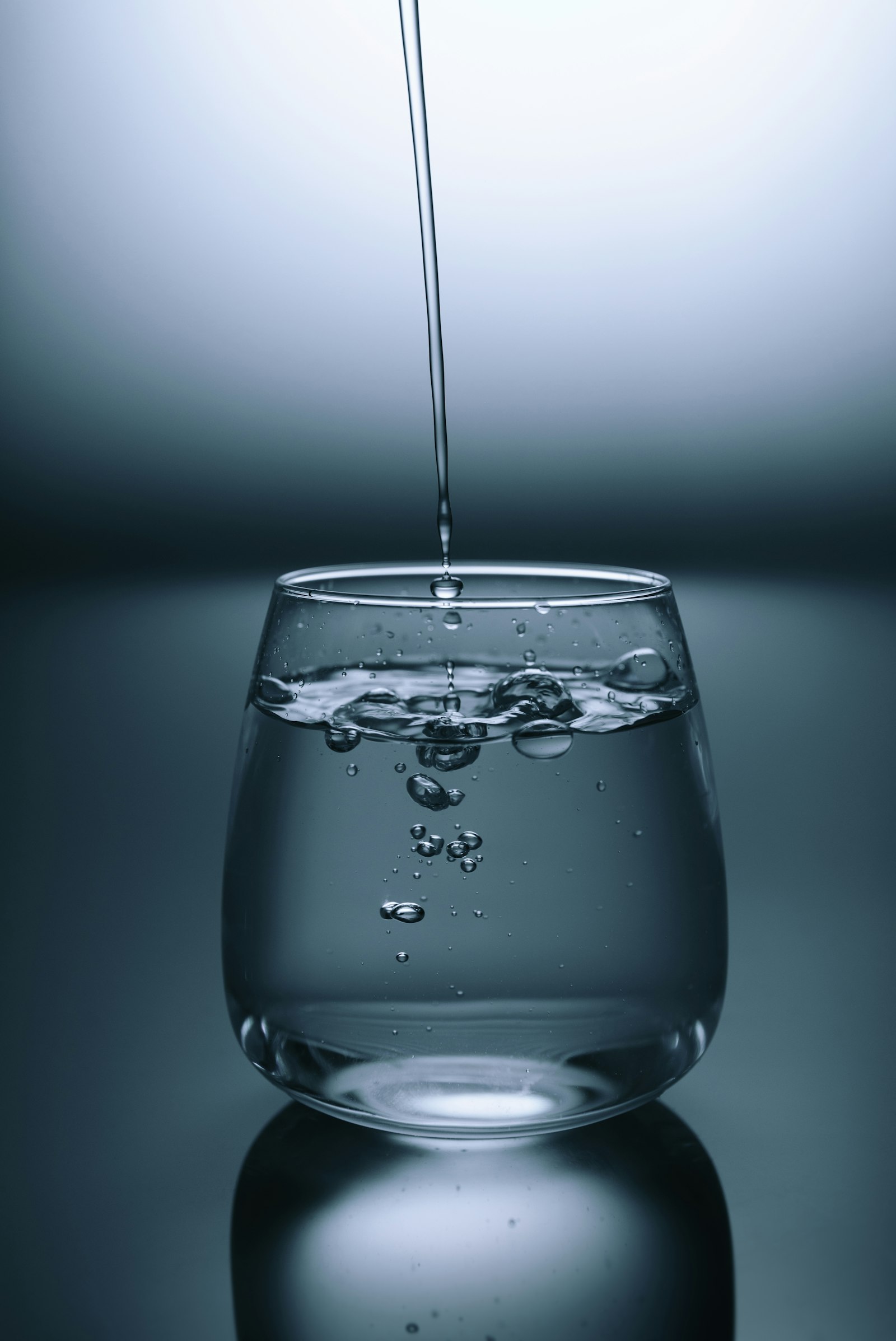
Glass of water beside a window

Small habits do the heavy lifting on long trips.

Key takeaways

  • Start the day with water.
  • Keep water within reach.
  • Use rehydration products per their instructions, not as a habit.
Article 02

Practical Ways to Reduce Jet Lag

Light, meals and movement. Individual responses vary.

Exposure to natural daylight after arrival can help the body clock adjust to a new time zone, and eating meals at local times often feels easier than forcing home-time meals. A short walk outside in daylight is a common recommendation and generally gentler than a long nap on day one.

Short daytime rest can help if you are exhausted; long unplanned naps sometimes make the following night harder. Individual responses to time-zone changes vary, and there is no fixed number of days in which everyone recovers.

Prescription or over-the-counter sleep aids and melatonin are not appropriate for everyone. Speak to a qualified healthcare professional or a pharmacist before using them, especially if you take other medication or have a medical condition.

Morning light spilling into a hotel room

Light and routine do most of the work — quietly.

Key takeaways

  • Daylight and local meal times help most travellers.
  • Keep any daytime rest short if you can.
  • Ask a professional before using sleep aids or melatonin.

Article 03

When to Seek Medical Help

A short checklist to keep visible.

Get qualified medical help without delay if you experience severe or worsening symptoms, difficulty breathing, chest pain, signs of severe dehydration, high fever, persistent vomiting or diarrhoea that lasts more than a couple of days, bloody stools or urine, severe abdominal pain, a serious injury, a suspected allergic reaction, symptoms after an animal bite or scratch, or any sudden change in mental state.

Save your travel-insurance emergency number, the local emergency number and the address of the nearest reputable clinic or hospital before you need them. In many destinations, private clinics can see international travellers faster than public emergency departments — your insurer can usually recommend one.

Carry a small card in your wallet with your name, blood type if known, allergies, current medication and an emergency contact. If you don't speak the local language, translate the essentials in advance.

Key takeaways

  • Know your insurer's emergency number before you need it.
  • Do not delay care for severe or worsening symptoms.
  • Carry a short medical card with allergies and medication.

Article 04

A Simple Wellbeing Kit

A small pouch that saves the trip — used sensibly.

A useful everyday travel kit can include oral rehydration sachets, plasters, blister patches, antiseptic wipes and any personal medication in its original packaging with prescriptions. Follow the instructions on every product.

Vitamins, supplements, melatonin and any over-the-counter or prescription medicines are not appropriate for everyone. Speak to a pharmacist or a qualified healthcare professional before adding them to your travel kit, especially if you have a medical condition, take other medication, are pregnant, or are travelling with children.

Some countries restrict specific medicines — including painkillers and sleep aids that are unrestricted at home. Check destination rules before you fly.

Key takeaways

  • One labelled pouch, always accessible.
  • Ask a professional before adding supplements or medicines.
  • Check destination rules on restricted medicines.

Article 05

Food and Water Safety Basics

Simple defaults, applied consistently.

Prefer fully cooked, hot, fresh food. Where local tap water is not safe to drink, use sealed or reliably filtered water — including for brushing teeth — and avoid ice made from tap water.

Wash hands before eating whenever possible. Where a sink isn't available, use hand gel.

Be cautious with raw items rinsed in unsafe water — herbs, salads, pre-cut fruit at room temperature. Fruit you peel yourself is generally a safer choice. Time in a destination does not build immunity to local pathogens.

Key takeaways

  • Hot, fresh, fully cooked food is a safer default.
  • Sealed or filtered water where tap water is unsafe — even for teeth.
  • Peel-it-yourself fruit is usually the safer option.

Article 06

Sleep, Movement and Daylight

Small habits do most of the work.

Protecting sleep is one of the most useful things you can do on a long trip. Try to keep a rough bedtime, use blackout when you can, and avoid loading day one with heavy plans if you have arrived overnight.

A glass of water before your first coffee is a gentle habit. Many travel headaches turn out to be dehydration rather than lack of caffeine.

A little movement every day — a walk, some stretching — often helps energy more than an extra coffee. Individual responses vary.

Key takeaways

  • Protect sleep — it does the heavy lifting.
  • Water before coffee, most days.
  • A short walk beats another coffee more often than not.

Article 07

When to Rest, and When to Get Help

A rest day is part of the trip. Serious symptoms are not.

If you feel exhausted or run down for more than a day, treat rest as part of the itinerary. Anything you visit while very tired, you probably won't remember well anyway.

Seek qualified medical help without delay for severe or worsening symptoms — including difficulty breathing, chest pain, high fever, persistent vomiting or diarrhoea lasting more than a couple of days, bloody stools or urine, severe abdominal pain, symptoms after an animal bite or scratch, a suspected allergic reaction, a serious injury, or any sudden change in mental state.

Save your travel-insurance emergency number and the local emergency number in your phone before you need them.

Key takeaways

  • Treat rest as part of the trip when you need it.
  • Do not delay care for severe or worsening symptoms.
  • Save insurer and local emergency numbers before you need them.

Chapter Check

Did the chapter stick?

Chapter check

Progress: Question 1 of 5

The single most important travel insurance line is…

Current score: Score 0 / 5

Related stories

Original story coming soon.

Continue the guide

All chapters →