
Travel Bartender
Travel Tips

Field Guide Β· Chapter

Sustainable Travel

You can't offset everything. You can stop doing the worst things.

06 entriesRead + reflect

Last reviewed: July 2026

Sustainability standards, certification schemes and emissions methodologies evolve. Treat comparisons as indicative. Rules, health guidance, prices, services and app features may change. Verify important information before travelling.

Article 01

The Three Choices That Actually Matter

Flight, stay, transport. Everything else is a rounding error.

Fewer, longer trips beat many short ones. One two-week trip is a fraction of the footprint of four long weekends β€” and it leaves more in your memory, not just less in the atmosphere.

Stay in locally-owned guesthouses where possible. Money cycles in the community instead of leaving on a corporate balance sheet, and the breakfast is almost always better.

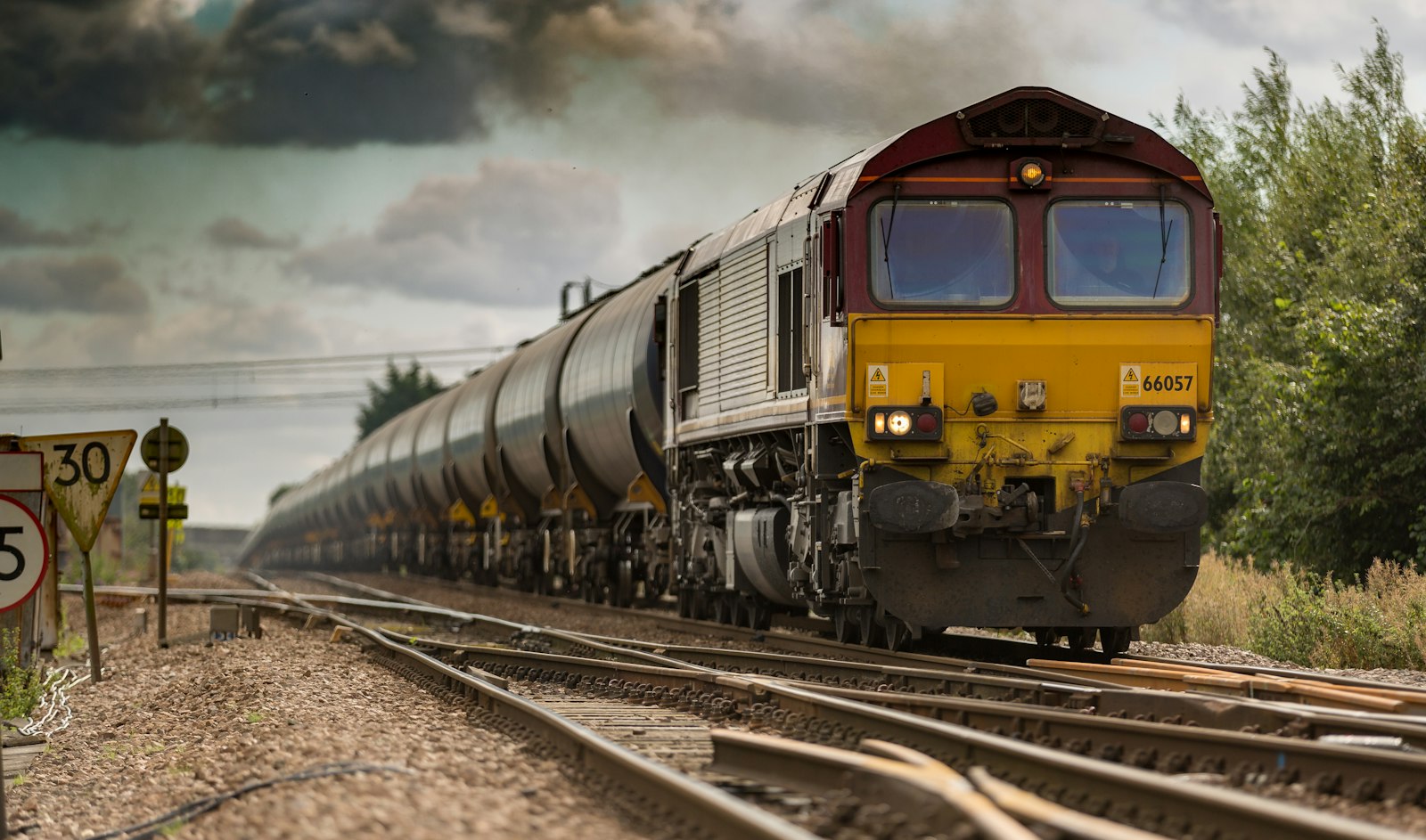
Use trains, ferries and buses for anything under six hours. Often faster door-to-door than flying, and the windows are better than any in-flight screen.
View from a train window of countryside passing

β€œTravel respectfully and the planet β€” and the people in it β€” keep inviting you back.”

Key takeaways

  • Fewer flights, longer stays.
  • Local stays > global chains.
  • Trains beat planes under 6 hours.

Article 02

Zero-Cost Things That Quietly Help

Reusable bottle. Toiletries decant. No paper receipts.

A 1 L filter bottle (Grayl, LifeStraw) pays for itself in five days and eliminates a small mountain of plastic. It also forces you to refill at cafΓ©s you'd otherwise walk past β€” where the best conversations sometimes start.

Decant toiletries into 60 ml containers; refill at destination. Skip hotel single-use bottles where you can.

Switch all bookings to email β€” paper printouts are usually optional now, and your wallet stays lighter.

Reusable water bottle being filled at a fountain

β€œThe smallest habits are the ones the planet actually notices.”

Key takeaways

  • Filter bottle = best gear ROI.
  • Refill > rebuy.
  • Paper-free travel saves trees and luggage weight.

Article 03

Better Choices for Transport, Water, and Packaging

Small upgrades, compounding impact.

Choose the night train over the short-haul flight whenever the distance is under 1000 km. You save the airport time on both ends, you save the emissions, and you arrive rested.

Carry a filter bottle in any country where bottled water is the default. One bottle a day for two weeks is 14 plastic bottles per trip per person β€” multiply that by every traveller and the scale becomes obvious.

Refuse the second plastic bag at every market. Most vendors are happy to put the fruit straight into your bag if you ask.

Key takeaways

  • Night train under 1000 km.
  • Filter bottle pays for itself.
  • Refuse the second bag.

Article 04

Supporting Local Communities the Right Way

Spend where the money stays.

Stay in family-run guesthouses. Eat at family-run restaurants. Buy crafts from the maker, not the stall ten metres from the cruise terminal.

Tip in cash, in local currency. Card tips often don't reach the staff in full; cash always does.

Hire local guides for half-days in destinations you don't read fluently. The income stays in the city and your trip gets ten times better.

Key takeaways

  • Family-run beats global chain.
  • Cash tips, local currency.
  • Local guide = best ROI in any city.

Article 05

Respectful Tourism and Why It Matters

You are a guest. Behave like one.

Dress for the place you're entering, not the photo you want to post. Bare shoulders at a temple aren't 'self-expression' β€” they're a quiet rudeness.

Ask before you photograph people. A smile and a raised camera is enough. A 'no' is enough too.

Learn please and thank you in the local language. It costs nothing and changes every interaction for the rest of the trip.

Key takeaways

  • Dress for the place, not the post.
  • Ask before you photograph.
  • Two words of the language change everything.

Article 06

What Sustainable Travel Really Means in Practice

Not perfection β€” direction.

You will not travel emission-free. The aim is to make each trip slightly better than the last one β€” fewer flights, longer stays, less waste, more local spend.

Carbon offsets are not a free pass. Use them, but treat them as the last 10% of the work, not the whole job.

The most sustainable trip is the one you remember vividly for years. Slow, deep travel beats fast collection of countries by every measure that matters.

Key takeaways

  • Better than last time, not perfect.
  • Offsets are the cherry, not the cake.
  • Deep memory > country count.

Chapter Check

Did the chapter stick?

Chapter check

Progress: Question 1 of 5

The biggest carbon lever a traveler controls is…

Current score: Score 0 / 5

Related stories

Original story coming soon.

Continue the guide

All chapters β†’